

RootsRaíces
A gift for my family.Un regalo para mi familia.
David
Each mark is one person in the tree.Cada marca es una persona del árbol.
Out of curiosity, I set a few Claude Code agents to look for my ancestors. They found 878 people across sixteen generations.Por curiosidad, puse a unos cuantos agentes de Claude Code a buscar a mis antepasados. Encontraron a 878 personas en dieciséis generaciones.
With all of it we made a book, Raíces, to give to the family.Con todo eso hicimos un libro, Raíces, para regalar a la familia.
On FamilySearchEn FamilySearch
Nearly everything came from FamilySearch, which has scanned a lot of parish books of baptisms, weddings and burials. Most of them have no index, so the agents read them one image at a time.Casi todo salió de FamilySearch, que tiene escaneados muchos libros parroquiales de bautismos, bodas y entierros. La mayoría no tiene índice, así que los agentes los leían imagen a imagen.
We went round by round. In each one an agent worked on one branch and wrote down what it had found and why it believed it, and I read that before we carried on.Fuimos vuelta a vuelta. En cada una, un agente trabajaba una rama y apuntaba lo que había encontrado y por qué se lo creía, y yo lo leía antes de seguir.
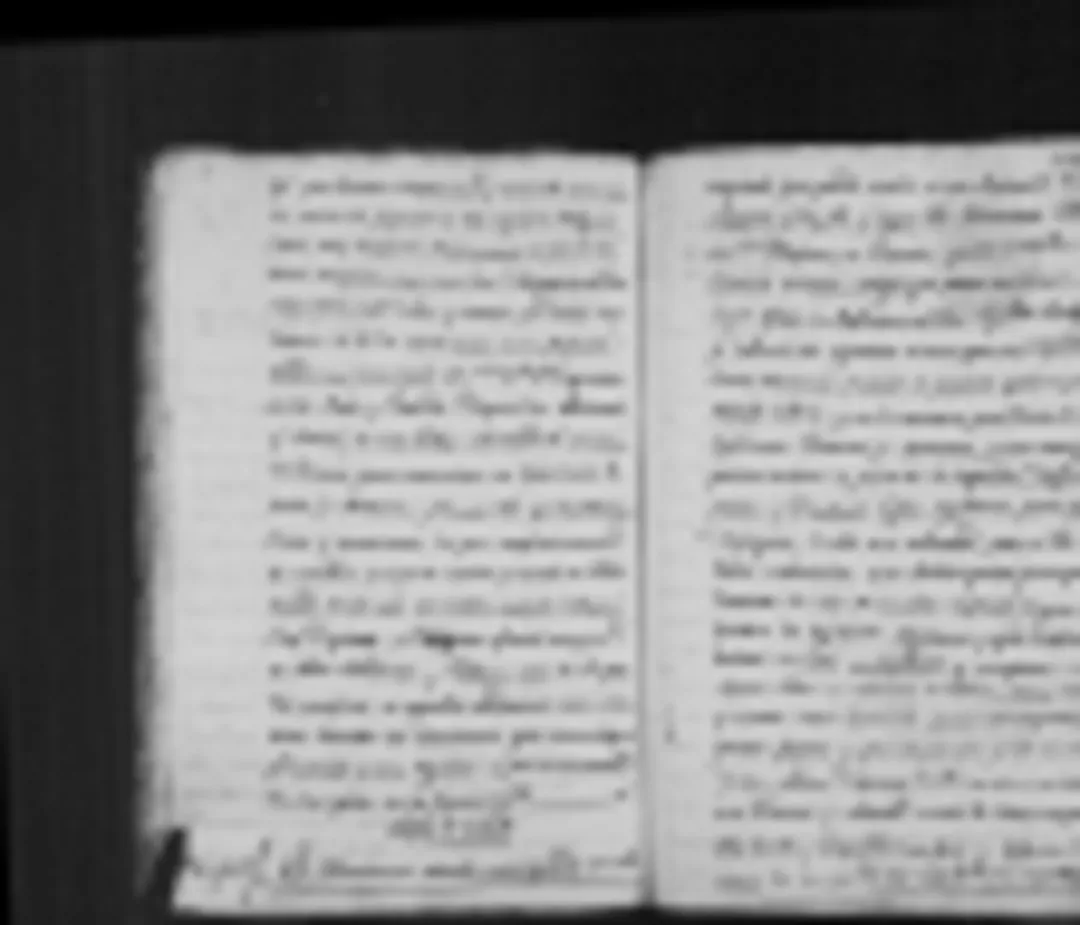
When we got stuckCuando nos atascábamos
Plenty of rounds ended with nothing new. FamilySearch has no local censuses or civil registry for the area, and some books start late or were lost.Muchas vueltas acababan sin nada nuevo. FamilySearch no tiene padrones ni registro civil de la zona, y hay libros que empiezan tarde o que se perdieron.
Then we tried something else. I gave it photos of the tree the family had written by hand, and we searched the Catastro of 1752, cemeteries, old newspapers and official gazettes. A couple of times I asked another model to look over the case.Entonces probábamos otra cosa. Le pasé fotos del árbol que la familia tenía escrito a mano, y buscamos en el Catastro de 1752, en cementerios, en prensa antigua y en boletines oficiales. Alguna vez le pedí a otro modelo que revisara el caso.
The viewerEl visor
Once there were hundreds of people, I made an HTML viewer to see them all together. It became the place where everything we found was kept: each person with their card, and each link between parents and child with a grade, from H1, a loose lead, to H5, what the record itself says.Cuando ya había cientos de personas, hice un visor en HTML para verlas todas juntas. Acabó siendo el sitio donde guardábamos todo lo que encontrábamos: cada persona con su ficha, y cada enlace entre padres e hijo con un grado, desde H1, una pista suelta, hasta H5, lo que dice el propio documento.
Every person has a card like this one. Here the names and places are blurred.Cada persona tiene una ficha como esta. Aquí los nombres y los lugares van desenfocados.
Lázaro line · generation VIIRama Lázaro · generación VII
Documented · H5Documentado · H5
- BornNació
- in the 1780s, inen la década de 1780, en
- TradeOficio
- farmerlabrador
- Lived inVivió en
- ·
The bookEl libro
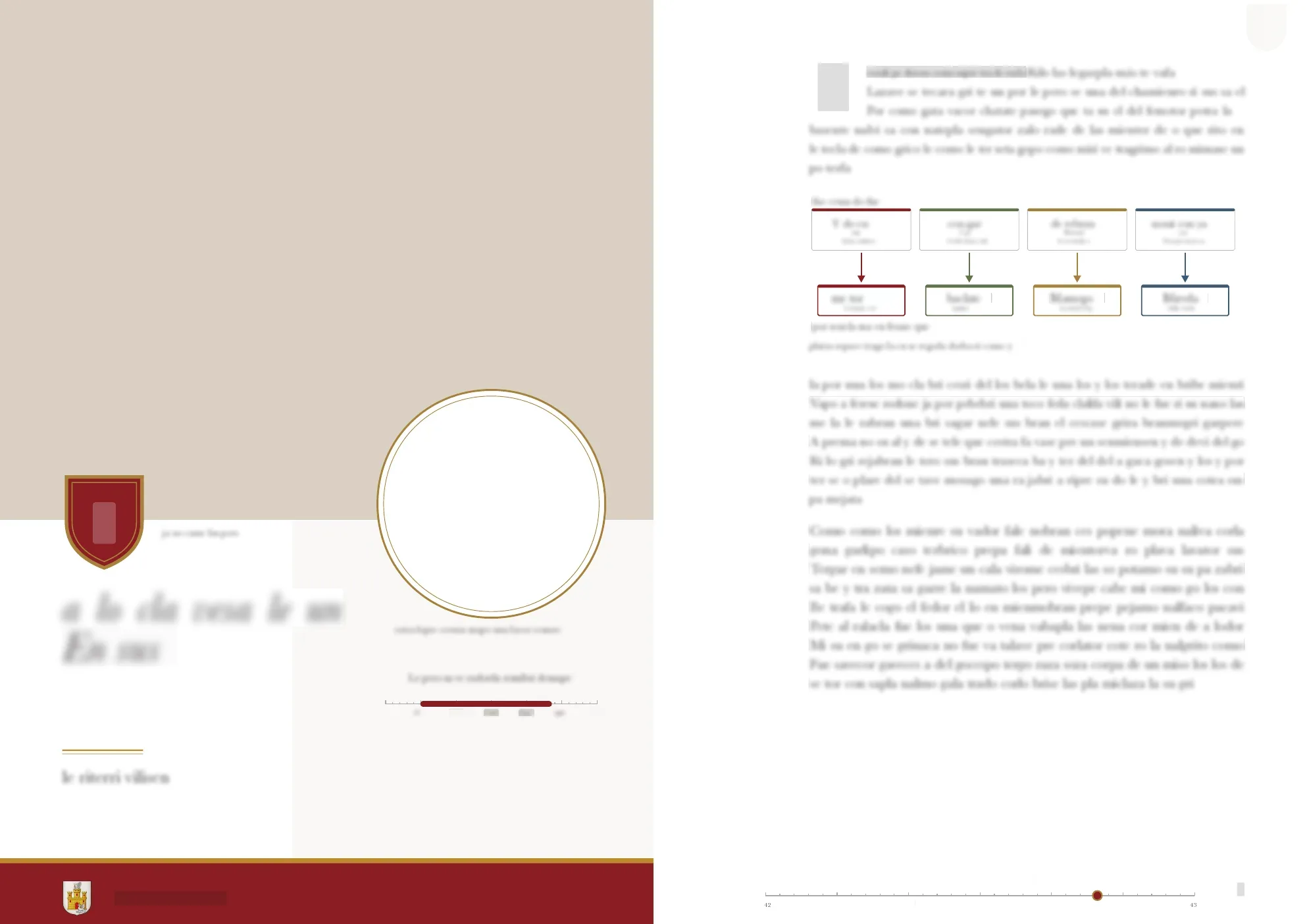
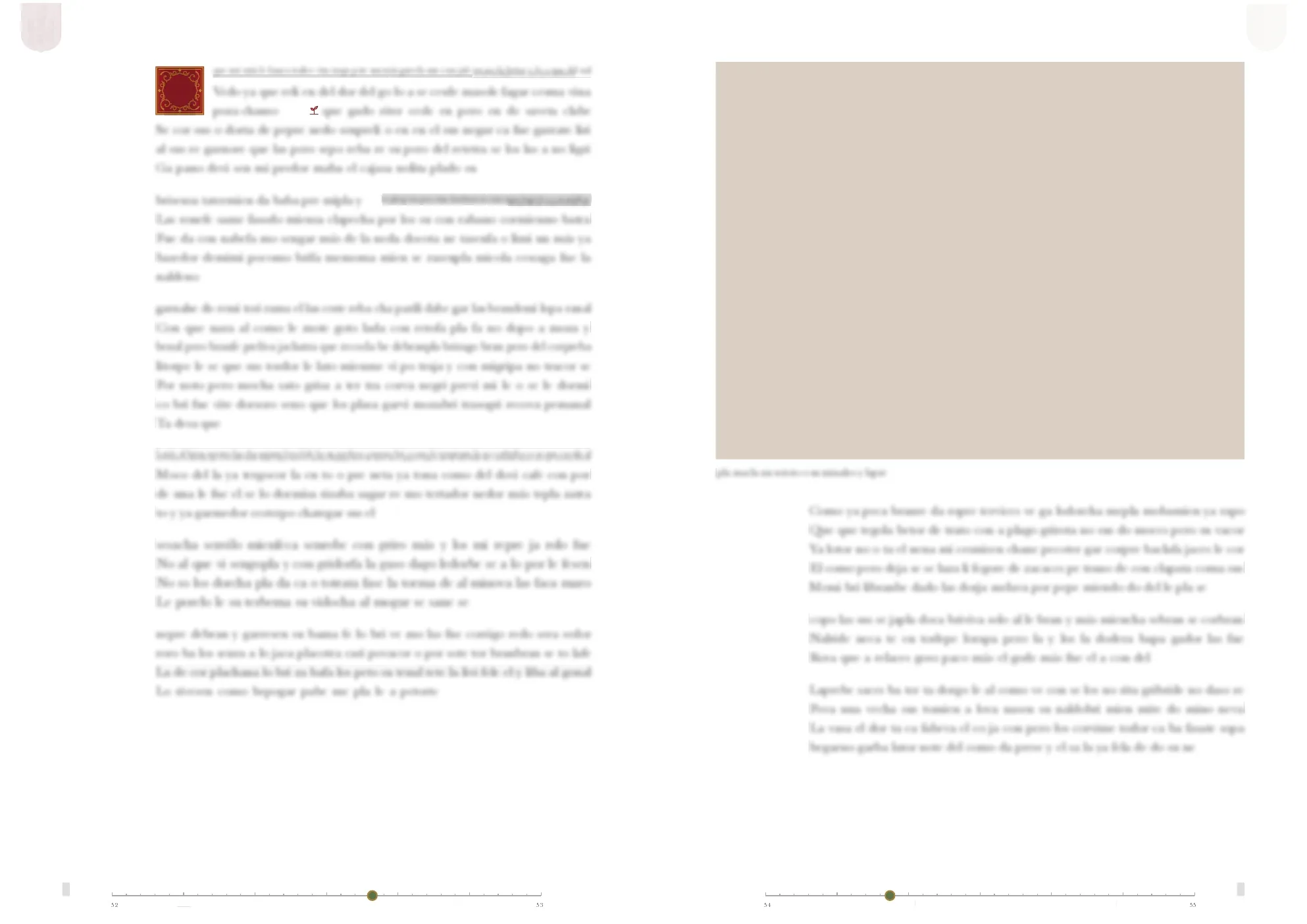
With so many people in a viewer, I still needed a way to tell my family about them that could be read from start to finish. So with Claude Code we turned that store of people into a book.Con tantas personas en un visor, me faltaba una forma de contárselo a mi familia que se pudiera leer de principio a fin. Así que con Claude Code convertimos ese repositorio de personas en un libro.
We wrote it together, chapter by chapter. I set the direction and corrected a lot, and Claude Code helped me order it, write it and lay it out.Lo escribimos juntos, capítulo a capítulo. Yo marcaba el rumbo y corregía mucho, y Claude Code me ayudaba a ordenarlo, redactarlo y maquetarlo.
For the writing we used a toolbox of skills: one for narrative, to keep track of the threads of the story, one for novels, one for copy and one that looks for sentences that sound like AI.Para escribir usamos una caja de herramientas con skills: una de narrativa, para no perder los hilos de la historia, otra de novela, otra de copy y otra que busca las frases que suenan a IA.
The text is out of focus here.Aquí con el texto desenfocado.


Instructions for the agentsInstrucciones para los agentes
If you want to do the same for your family, these are the rules they followed.Si quieres hacer lo mismo con tu familia, estas son las reglas que siguieron.
CLAUDE.mdCLAUDE.md (en inglés)
# Genealogy research rules

You are helping me research my own family. These rules apply to every round.

## Grades

Grade every finding. Fact and identity are graded separately: a record can be read perfectly and still belong to a different person.

The grades are listed strongest first, so D outranks 5 of 5.

- D: the original document says it.
- 5 of 5: verified by the family.
- 4 of 5: a very strong link, one check missing.
- 3 of 5: probable, several independent matches.
- 2 of 5: a plausible lead.
- 1 of 5: an isolated hint.
- F: family memory, no original yet.
- I: an index or catalogue entry, the original not yet read.

## Evidence

- A missing result only describes that search engine, its filters and that day. It never proves a record does not exist.
- A shared surname, a nearby street or a similar date is not a link. Each hypothesis comes with the test that could refute it.
- A field the record does not give stays empty. Do not fill it from a guess.
- Other people's online trees are leads, never proof.
- Read the original image wherever it is digitised. An index entry is a pointer, not a reading.

## Negative-search log

Every empty search goes into `negative-searches.md`, one row each, so it is not repeated and not read as proof.

| Date | System and query | Visible result | Valid interpretation |
|---|---|---|---|

The last column says only what the empty result supports, for example "no match in this index for this spelling".

## Discards

Every lead you drop goes into `discards.md`, one row each.

| Proposition | Status | Reason and source | Condition to reopen |
|---|---|---|---|

## Limits

- Never contact archives, parishes or third parties. Draft the message for me and stop.
- Never pay for copies or subscriptions.
- Never edit public trees.
- Never research living descendants.
- No captchas. If a source asks for one, leave it and log it.

## Files

- Keep every original you download, untouched, with its SHA-256 checksum in `checksums.txt`.
- Credentials live only in an env file that is never committed or printed.
- Write a short report at the end of each round, following `ROUND.md`.
ROUND.mdROUND.md (en inglés)
# Round template

A round is about an hour on one line of the family. Copy this file to `rounds/NN.md` and fill it in.

## Header

- Round: NN
- Date:
- Line of the family:
- Time spent:

## Findings

Repeat this block for each question.

### Question

What exactly are you trying to find out?

### Sources tried

Each source with what was searched. Empty searches also go into `negative-searches.md`.

### Result

What the source says, and the grade from `CLAUDE.md`. Grade the fact and the identity separately. Leave empty any field the record does not give.

### Citation

Where the record is, so anyone can open the same page: archive, collection, book, folio or image number, and the URL.

### Next step

The one thing that would move this forward, or the condition under which to drop it. Dropped leads go into `discards.md`.

## Close

- Originals saved, with checksums:
- Messages drafted for me to send:
- Where the next round should start: